
What to Know About Low-Dose Naltrexone Drug Interactions



What you will learn
- Naltrexone is a prescription medication that blocks opioid receptors in the brain to treat alcohol and opioid addiction.
- It comes as daily pills or monthly injections and doesn’t cause physical dependence, but people must be completely off opioids before starting it.
- Common side effects include nausea, headaches, dizziness, sleep problems, and potential liver issues.
- After a period of naltrexone use or abstinence from opioids, a person’s opioid tolerance can decrease. If they relapse and take the same amount of opioids they previously used, the risk of overdose increases significantly due to reduced tolerance.
- The medication interacts with many drugs, including pain relievers, cough medicines, antidepressants, and over-the-counter medications containing opioids or alcohol.
Naltrexone can interact with numerous medications, creating potentially dangerous complications that require careful medical supervision. This opioid antagonist blocks opioid receptors throughout the body, which means it can interfere with the effectiveness of pain medications, cough suppressants, and other drugs that rely on opioid pathways. Prescribers must thoroughly review all current medications before starting naltrexone therapy to prevent severe adverse reactions.
What is Naltrexone?
Naltrexone is a prescription medication that belongs to a class of drugs called opioid antagonists.[1] The FDA first approved naltrexone in 1984 as an oral tablet, and later approved an extended-release injectable form called Vivitrol in 2006. This medication works by blocking opioid receptors in the brain, preventing opioids from producing their typical effects of euphoria and pain relief.
The medication comes in two main formulations with different dosing schedules and clinical applications. Oral naltrexone tablets typically require daily administration, while the injectable form provides sustained medication release for approximately one month. Both formulations contain the same active ingredient but deliver naltrexone to the body through different mechanisms and time frames.[2]
Naltrexone usually requires complete detoxification from opioids before starting treatment, as taking naltrexone while opioids remain in the system can trigger severe withdrawal symptoms called precipitated withdrawal. This medication does not cause physical dependence or withdrawal symptoms when discontinued, distinguishing it from other addiction treatment medications. Prescribers must carefully evaluate patients before starting naltrexone therapy to ensure safe and effective treatment outcomes.
What is Naltrexone Prescribed For?
Prescribers recommend naltrexone for addiction treatment and certain compulsive behaviors that significantly impact quality of life:[3]
- Alcohol use disorder: Reduces cravings and helps maintain sobriety in people recovering from alcohol addiction.
- Opioid use disorder: Blocks the euphoric effects of opioids and reduces the risk of relapse after detoxification.
- Off-label compulsive behaviors: May help reduce symptoms of gambling addiction, compulsive shopping, or other impulse control disorders.
What Are Its Side Effects?
Naltrexone can cause various side effects that range from mild to severe, requiring patients to monitor their response carefully:[4]
- Nausea and vomiting: Digestive upset that may occur, especially when starting treatment or with higher doses.
- Headaches: Frequent headaches that can range from mild to severe and may persist throughout treatment.
- Dizziness and fatigue: Feelings of lightheadedness, tiredness, or weakness that can affect daily activities.
- Sleep disturbances: Difficulty falling asleep, staying asleep, or experiencing restful sleep patterns.
- Injection site reactions: Pain, swelling, redness, or hardening at the injection site for people receiving Vivitrol.
- Mood changes: Anxiety, depression, irritability, or other emotional changes that may require monitoring.
- Liver problems: Elevated liver enzymes or hepatotoxicity, particularly with higher doses or prolonged use.
- Muscle and joint pain: Aches, stiffness, or discomfort in muscles and joints throughout the body.
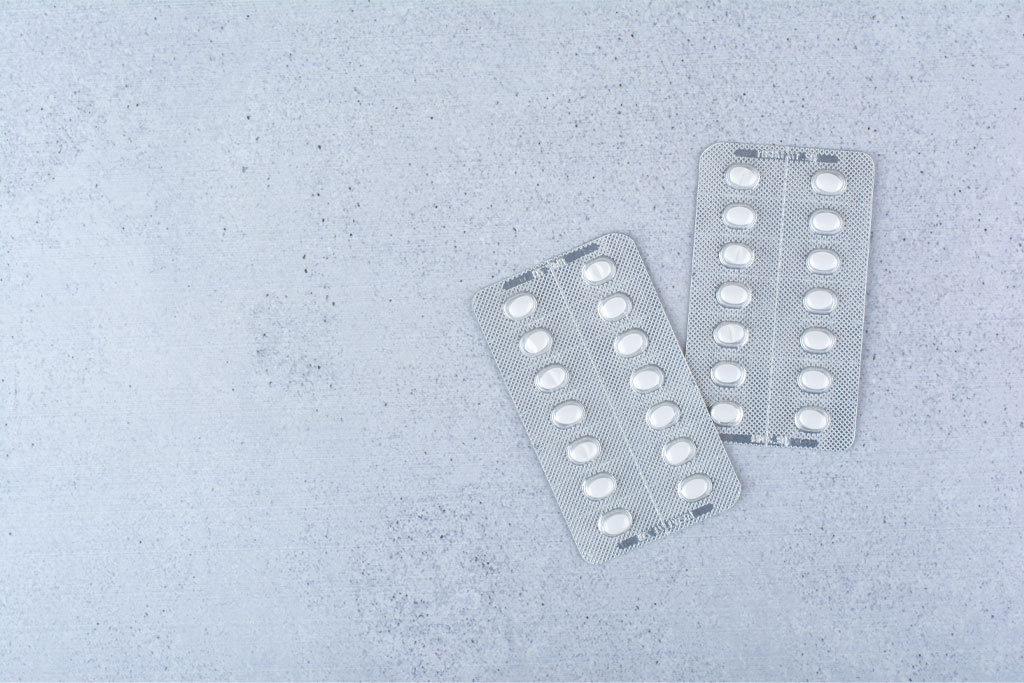
Naltrexone and Opioid Overdose
Naltrexone does not increase the risk of opioid overdose while actively taking the medication, but it increases overdose risk after discontinuation due to reduced opioid tolerance. [5] This dangerous practice can lead to severe respiratory depression and death once naltrexone’s effects wear off or if someone takes enough opioids to overpower the blockade. The extended-release injectable form poses particular risks because its effects can last up to one month, creating a prolonged period of vulnerability.
People taking naltrexone lose their tolerance to opioids, making them extremely sensitive to doses they previously used without problems. This reduced tolerance persists even after stopping naltrexone treatment, creating ongoing overdose risks for weeks or months. Naloxone is unlikely to be needed in someone actively taking naltrexone, as opioid effects are already blocked. However, in cases where extremely high doses of opioids are taken, higher doses or repeated naloxone administration might be required, though data on this is limited.
Why Does Naltrexone Affect Other Medications?
Naltrexone affects other medications through several biological mechanisms that alter how drugs work in the body and interact with various receptor systems:[6]
- Opioid receptor blockade: Naltrexone blocks mu-opioid receptors throughout the body, preventing any opioid-containing medications from producing their intended effects. This complete blockade means that prescription opioids like oxycodone and hydrocodone, as well as over-the-counter medicines containing codeine, become completely ineffective. The opioid antagonist properties of naltrexone can last for 24 to 72 hours with oral tablets and up to one month with Vivitrol injections.
- Liver enzyme interactions: Naltrexone undergoes extensive metabolism in the liver, which can affect how other medications are processed through the same enzymatic pathways. This interaction can either speed up or slow down the breakdown of other drugs, potentially altering their effectiveness or increasing the risk of adverse effects. Medications that rely heavily on liver metabolism may require dose adjustments during naltrexone treatment.
- Neurotransmitter system effects: Naltrexone influences dopamine, serotonin, and other neurotransmitter systems beyond just opioid receptors, which can affect how psychiatric medications and other drugs that target these pathways work in the brain. These complex interactions explain why naltrexone can enhance or diminish the effects of antidepressants, anti-anxiety medications, and other mental health treatments. Healthcare providers must carefully monitor these interactions to ensure optimal treatment outcomes and patient safety.
Drug-Drug Interactions For Naloxone
Naltrexone interacts with several non-opioid medications, creating potential complications that require careful monitoring and dosage adjustments:[7]
- Alcohol: Naltrexone does not enhance alcohol’s sedating effects and is not known to increase liver damage specifically when combined with alcohol, though it carries a baseline risk of liver toxicity at high doses.
- Antidepressants: Some SSRIs and tricyclic antidepressants may have altered effectiveness or increased side effects when used with naltrexone.
- Blood thinners: Warfarin and other anticoagulants may require dose adjustments due to potential changes in metabolism.
- Diabetes medications: Insulin and oral diabetes drugs may need monitoring as naltrexone can affect blood sugar control.
- Seizure medications: Anticonvulsants like phenytoin or carbamazepine may have altered blood levels when combined with naltrexone.
- Muscle relaxants: Medications like baclofen or cyclobenzaprine may have enhanced sedating effects with naltrexone.
- Sleep medications: Prescription sleep aids and sedatives may cause increased drowsiness or respiratory depression.
- Liver medications: Any drugs processed by the liver may be affected since naltrexone can impact liver enzyme activity.
Over-the-Counter Medications to Avoid with Naltrexone
People taking naltrexone should exercise caution with several over-the-counter medications that can cause dangerous interactions or reduced effectiveness:[8]
- Pain relievers with codeine: Any over-the-counter medications containing codeine will be completely ineffective due to naltrexone’s opioid-blocking effects.
- Sleep aids containing diphenhydramine: Benadryl-based sleep medications may cause excessive drowsiness or confusion when used with naltrexone.
- Cold medications with multiple ingredients: Multi-symptom cold remedies often contain opioids or other substances that interact poorly with naltrexone.
- Anti-diarrheal medications: Loperamide and similar medications may not work effectively due to naltrexone’s effects on opioid receptors in the digestive system.
- Herbal supplements with sedating effects: Valerian root, kava, or melatonin may cause increased drowsiness or unpredictable reactions.
- Alcohol-containing medications: Cough syrups, mouthwashes, or tinctures with alcohol can enhance naltrexone’s effects on the liver.
Ready to get help for you or a loved one? Contact us
To ensure accuracy and quality, every contributor to the Alpas Wellness resource library undergoes a thorough evaluation of their experience, credentials, and achievements prior to publication.
Frequently Asked Questions About Low-Dose Naltrexone and Interactions
Can I take supplements while on low-dose naltrexone?

Most supplements are safe with low-dose naltrexone, but you should consult your healthcare provider before starting any new supplements during naltrexone treatment. Some herbal supplements that affect the liver or cause sedation may interact with LDN and increase the risk of adverse effects. Always inform your healthcare professional about all supplements you take, as they can provide medical advice about potential drug interactions and help monitor your well-being throughout treatment.
Will naltrexone affect my pain medications?
Yes, low-dose naltrexone can reduce the effectiveness of opioid medications like oxycodone, hydrocodone, and codeine by blocking opioid receptors. Even small doses of this opioid antagonist can interfere with the effects of opioids used for chronic pain management. Your healthcare provider may need to explore non-opioid analgesics or alternative pain management strategies if you require naltrexone treatment for conditions like multiple sclerosis or Crohn’s disease.
Is it safe to drink alcohol while taking low-dose naltrexone?
You should avoid alcohol consumption while taking low-dose naltrexone, as combining these substances can increase the risk of liver disease and other serious side effects. Although LDN is prescribed at much lower doses than standard naltrexone for alcohol use disorder, alcohol can still interfere with the medication’s effects and potentially cause life-threatening complications. Always follow your healthcare professional’s advice about alcohol consumption during naltrexone treatment.
What should I do if I need emergency surgery while on naltrexone?
Inform all medical staff that you take low-dose naltrexone before any emergency procedures, as this opioid antagonist can block the effects of opioid medications used for pain management during surgery. Healthcare providers may need to use higher doses of opioid medications or alternative non-opioid pain management strategies.
In some cases, they may recommend stopping LDN before planned procedures, but never discontinue naltrexone treatment without medical advice from your healthcare provider.
Can naltrexone cause withdrawal symptoms if I stop taking it?
No, low-dose naltrexone does not cause physical dependence or withdrawal symptoms when discontinued, unlike opioid medications or substances that cause substance abuse. However, if you’re taking LDN for conditions like multiple sclerosis or chronic pain, stopping the drug may cause your original symptoms to return. Always consult your healthcare professional before making changes to your naltrexone treatment plan, as they can provide proper medical advice about safely discontinuing the oral tablet or adjusting your dosage.

[1][5] Singh, D., & Saadabadi, A. (2023). Naltrexone. StatPearls Publishing. https://www.ncbi.nlm.nih.gov/books/NBK534811/ on August 1, 2025
[2]Vivitrol injection: Uses, dosage, side effects, warnings. Drugs.com. (n.d.-e). https://www.drugs.com/vivitrol.html
[3] SAMHSA. (2024). What is Naltrexone? Side Effects, Treatments & Use. Samhsa.gov. https://www.samhsa.gov/substance-use/treatment/options/naltrexone on August 1, 2025
[4] Naltrexone: MedlinePlus Drug Information. (n.d.). Medlineplus.gov. https://medlineplus.gov/druginfo/meds/a685041.html on August 1, 2025
[6, 7, 8] What to avoid when taking naltrexone? (n.d.). Drugs.com. https://www.drugs.com/medical-answers/avoid-taking-naltrexone-3548600/ on August 1, 2025