
Does Trazodone Help With Anxiety? Understanding Uses, Efficacy & Safety


What you will learn
- Trazodone is an FDA-approved antidepressant sometimes prescribed off-label for anxiety, particularly when sleep issues coexist.
- Research shows trazodone can relieve anxiety at levels comparable to benzodiazepines but with a lower risk of dependence.
- Lower doses (25-150 mg) are typically used for anxiety and sleep, with anxiety relief taking several weeks.
- Common side effects include drowsiness and dizziness, while serious risks include cardiac issues and suicidal thoughts in young people.
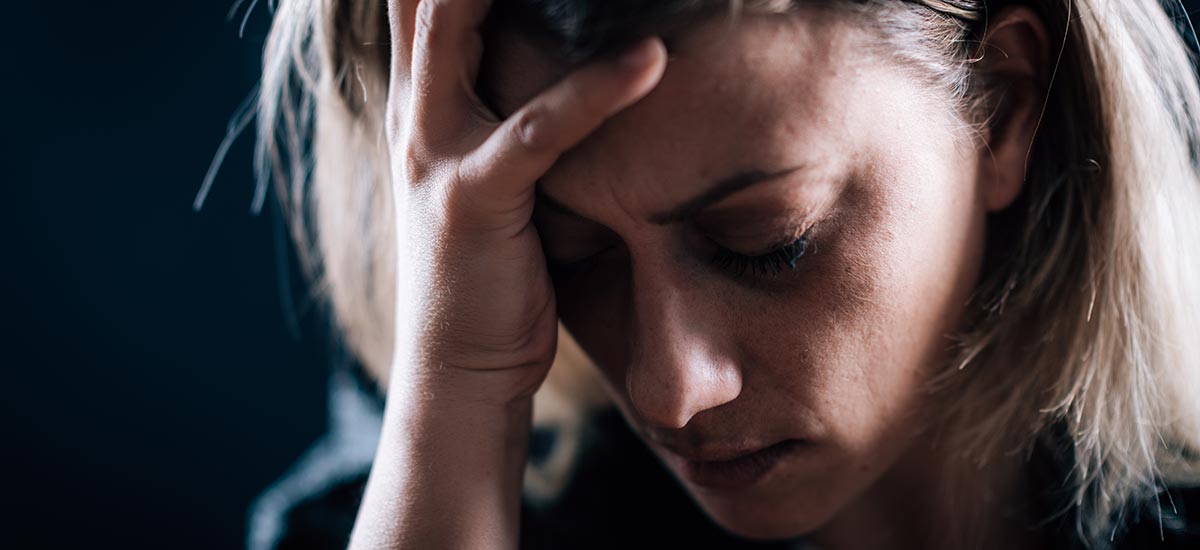
If you’re struggling with anxiety, especially when it disrupts your sleep, you may have heard about trazodone as a potential treatment option. Many people wonder whether this medication can truly help with anxiety symptoms and whether it’s the right choice for their situation.
Trazodone is an FDA-approved antidepressant classified as a serotonin antagonist and reuptake inhibitor, initially approved for treating major depressive disorder [1]. However, healthcare providers often prescribe it off-label for a non-FDA-approved reason to treat other conditions, including insomnia and anxiety, particularly when traditional first-line treatments may be less useful.
This article will help you understand whether trazodone can help with anxiety symptoms, especially when sleep difficulties are also present. We’ll explore how it works, examine the research evidence, discuss who might benefit, and provide important safety information.
What Is Trazodone?
Trazodone is an FDA-approved antidepressant medication, available as an oral tablet, primarily indicated for treating major depressive disorder. It belongs to a unique class of antidepressants that work differently from the more commonly prescribed selective serotonin reuptake inhibitors (SSRIs) or serotonin-norepinephrine reuptake inhibitors (SNRIs).
The medication works by influencing serotonin activity in your brain. It inhibits specific serotonin receptors and prevents serotonin reuptake, so more of this mood-regulating neurotransmitter (chemical messenger) remains available. This dual action helps influence both mood and sleep patterns.
While trazodone is explicitly approved for depression, healthcare providers frequently prescribe it off-label (non-FDA approved) for several other conditions. The most common off-label use is for insomnia, as trazodone has sedating properties that help people fall asleep and stay asleep. It’s also sometimes prescribed off-label for anxiety disorders, particularly when other treatments may not be optimal.
How Does Trazodone Work for Sleep and Anxiety?
At lower doses, trazodone’s antagonism of specific serotonin receptors produces sedative effects. This sedation helps people fall asleep more easily and can improve overall sleep quality, which is why trazodone has become one of the most commonly prescribed medications for insomnia.
For individuals whose anxiety symptoms significantly disrupt their sleep, trazodone can offer dual benefits. The medication’s calming effect addresses both the racing thoughts and physical restlessness that anxiety can cause, while simultaneously promoting better sleep. Since poor sleep often worsens anxiety symptoms, addressing both issues together can be particularly helpful.
However, trazodone is not typically a first-line treatment for anxiety disorders. SSRIs and SNRIs are generally preferred as initial treatments because they have more robust research evidence specifically for anxiety conditions [2]. Trazodone is typically reserved for people who haven’t responded well to these first-line medications or who have specific circumstances that make it a better fit.
Is Trazodone Effective for Anxiety?
Research examining trazodone’s effectiveness for anxiety has shown promising but mixed results. Several studies have demonstrated that trazodone can provide meaningful anxiety relief for some individuals.
One significant finding is that trazodone has been shown to relieve anxiety at levels comparable to diazepam (Valium) in people with generalized anxiety disorder [3]. This suggests trazodone can be as effective as benzodiazepines without carrying the same high risk of dependence.
Studies have also found that trazodone improved symptoms in people with panic disorder and agoraphobia.[4] Additionally, research has shown benefits for individuals with post-traumatic stress disorder (PTSD), particularly in reducing nightmares and insomnia, which are common symptoms of this condition.[5]
However, research on trazodone for anxiety is somewhat limited compared to studies on first-line anxiety medications. Results are mixed, and individual responses vary significantly. Some people experience substantial symptom relief, while others may notice slight improvement.
One important difference between trazodone and fast-acting anti-anxiety medications like benzodiazepines is the timeline for relief. While benzodiazepines can provide relief within 30 minutes to an hour, trazodone typically requires several weeks of consistent use before anxiety symptoms begin to improve.
The comparison with benzodiazepines is worth exploring. Medications like Xanax work quickly and effectively for acute anxiety but carry a high risk of tolerance, dependence, and addiction. Trazodone works more slowly but is not considered habit-forming, making it a potentially safer option for long-term anxiety management.
Trazodone for Sleep
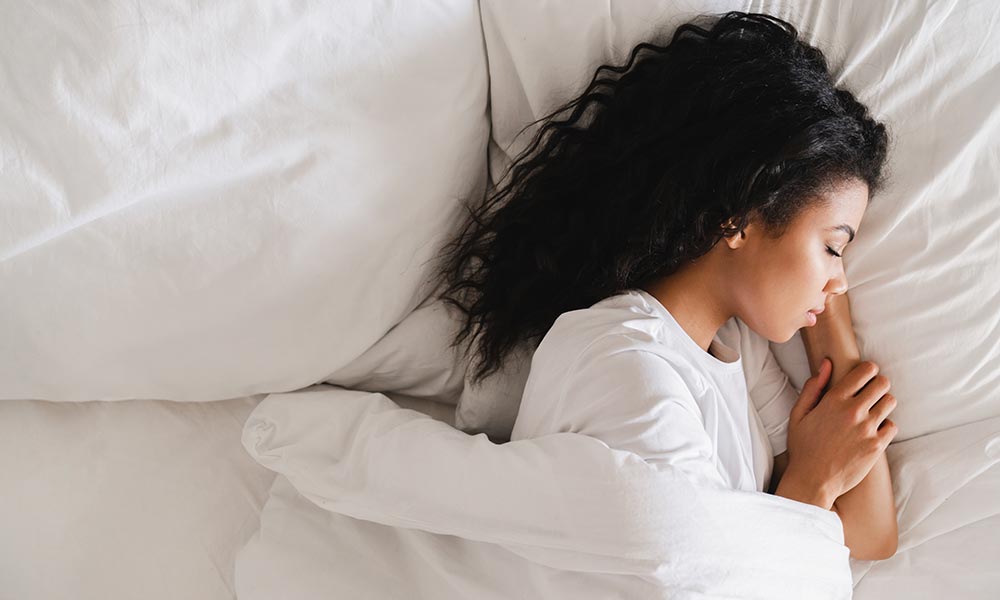
One of the most common reasons healthcare providers prescribe trazodone is for sleep difficulties. Insomnia is a widespread problem that frequently accompanies anxiety disorders, and trazodone’s sedative properties make it particularly useful in this context.
For sleep purposes, trazodone is typically prescribed at lower doses than would be used for depression. While depression treatment might involve 150-300 mg daily, sleep benefits often occur at doses ranging from 25 to 150 mg taken at bedtime.
While trazodone has a long half-life (the time required for the concentration of the active substance in the body to decrease by half) and remains in your body for 25 to 45 hours, its sedative effects are most potent in the first few hours after taking it and typically resolve within about six hours. This means you can benefit from improved sleep without significant drowsiness throughout the following day.
Side Effects and Risks of Trazodone
Common side effects of trazodone include drowsiness, dizziness, headaches, dry mouth, constipation, and weight gain with long-term use. These side effects are often mild and may diminish as your body adjusts.
However, trazodone also carries risks of serious side effects [6]. These include increased suicidal thoughts or behavior, particularly in children, adolescents, and young adults (trazodone carries a black box warning about this risk), priapism (a painful, prolonged erection requiring emergency treatment), cardiac arrhythmias, and severe allergic reactions.
Abruptly stopping trazodone after regular use can cause uncomfortable symptoms, including irritability, anxiety, and rebound insomnia. This is why it’s essential to work with your healthcare provider to taper the dose gradually when discontinuing.
Taking higher doses than prescribed or combining trazodone with other central nervous system (brain and spinal cord) depressants can lead to severe symptoms, including extreme sedation, difficulty breathing, dangerously low blood pressure, and seizures [7].
Who Might Benefit From Trazodone?
Trazodone may be particularly appropriate if you have co-occurring depression, anxiety, and sleep difficulties. It may also be suitable if you’ve tried and haven’t responded well to first-line anxiety treatments like SSRIs or SNRIs, or if you’re seeking a non-benzodiazepine alternative to anxiety treatment with lower risk of dependence.
Determining whether trazodone is right for you requires a thorough evaluation by a healthcare professional who can assess your specific situation, medical history, current medications, and treatment goals.
Who Should Avoid or Use With Caution?
If you have liver or kidney disease, your body may have difficulty correctly processing the medication. People with bipolar disorder should use trazodone cautiously, as it may trigger manic episodes. Those with heart conditions require careful monitoring for potential cardiac effects.
Individuals taking other serotonergic drugs or MAO inhibitors face increased risk of serotonin syndrome, a potentially life-threatening condition. Pregnant or breastfeeding women should discuss the limited safety data with their healthcare provider.
Dosage and Administration
For depression, typical starting doses are around 150 mg per day, divided into multiple doses, with gradual increases as needed. For anxiety or sleep, lower doses are typically used off-label, commonly starting from 25 to 100 mg taken at bedtime.
Effects on sleep may be noticeable within hours of taking the first dose. At the same time, anxiety relief typically requires consistent daily use for several weeks—knowing this difference in onset is essential for setting realistic expectations.
Safe Use and Precautions
Always take trazodone exactly as prescribed. Don’t adjust your dose or stop taking it without medical guidance. Avoid mixing trazodone with alcohol or other central nervous system depressants, as this combination can create serious risks.
Monitor yourself for adverse effects and contact your doctor promptly if you notice concerning symptoms. When it’s time to stop taking trazodone, work with your healthcare professional to taper the dose gradually.
Alternatives and Complementary Therapies
Evidence-based therapy approaches, particularly cognitive-behavioral therapy (a form of talk therapy that focuses on identifying and changing unhelpful thoughts and behaviors), are highly effective for anxiety disorders [8]. Mindfulness practices (the practice of intentionally focusing on the present moment with non-judgmental awareness of your thoughts, feelings, bodily sensations, and surroundings) and exposure therapy (a type of therapy focusing on gradually and safely confronting fears in a controlled environment) can also be valuable.
Lifestyle modifications play an essential role. Good sleep hygiene practices (practices and habits that promote healthy, restful sleep), regular physical exercise, balanced nutrition, and stress-reduction techniques can all contribute to better mental health.
Other medication options include antidepressants like SSRIs or SNRIs as first-line treatments, buspirone as a non-sedating antianxiety drug, or hydroxyzine as another non-habit-forming option. At Alpas Wellness Centers, we recognize that medication is just one part of comprehensive anxiety treatment.
Reach Out to Alpas Wellness Centers Today
Trazodone can be effective for anxiety symptoms in some individuals, particularly those with co-existing sleep problems or depression. Some research shows that it can provide anxiety relief comparable to benzodiazepines without the high risk of dependence, making it valuable for long-term management.
However, trazodone is not FDA-approved specifically for anxiety or sleep and should always be used under careful medical supervision. It’s typically not a first-line treatment but may be appropriate when other options haven’t worked.
The importance of exploring all treatment types cannot be overstated. Medication is just one tool in managing anxiety. Evidence-based therapy, lifestyle modifications, stress-reduction practices, and holistic approaches all play crucial roles in comprehensive treatment.
If you’re struggling with anxiety, insomnia, or co-occurring mental health conditions, we invite you to reach out to Alpas Wellness Centers in La Plata, Maryland. Our compassionate team specializes in personalized assessments and holistic treatment plans that address all aspects of your well-being.
Whether you’re considering medication options like trazodone, seeking other therapy approaches, or exploring comprehensive residential treatment, we’re here to help. Contact Alpas Wellness Centers today for a confidential consultation. There is a path for you to better mental health and peaceful sleep.
Ready to get help for you or a loved one? Contact us
To ensure accuracy and quality, every contributor to the Alpas Wellness resource library undergoes a thorough evaluation of their experience, credentials, and achievements prior to publication.
Frequently Asked Questions
Does trazodone help with anxiety?

Yes, trazodone can help with anxiety for some individuals, though it’s not FDA-approved specifically for this use. Research shows it can relieve anxiety at levels comparable to benzodiazepines, particularly in generalized anxiety disorder [3]. It’s most often prescribed when first-line treatments haven’t been effective or when anxiety coexists with depression and insomnia. Relief typically takes several weeks of consistent use.
Will 50 mg of trazodone help with anxiety?
A dose of 50 mg may help with anxiety for some people, though effectiveness varies individually. This is within the standard off-label dosing range for anxiety (25-150 mg). However, anxiety relief generally requires several weeks of consistent use, and some individuals may need dose adjustments. Always work with your healthcare provider to determine the appropriate dose.
Is trazodone for anxiety or sleep?
Trazodone is FDA-approved for depression but is commonly prescribed off-label for both anxiety and sleep problems. Its sedating properties make it particularly useful when anxiety and insomnia occur together. Lower doses are typically used for sleep and anxiety, with sleep benefits felt within hours while anxiety relief takes weeks.
How does trazodone compare to benzodiazepines for anxiety?
Trazodone differs significantly from benzodiazepines. Benzodiazepines work quickly (30-60 minutes) but carry high risks of dependence and addiction [2]. Trazodone takes weeks to relieve anxiety, but it is not habit-forming and is safer for long-term use. Research shows trazodone can be as effective as benzodiazepines for anxiety without the addiction potential.
What are the side effects of trazodone for anxiety?
Common side effects include drowsiness, dizziness, dry mouth, headache, and constipation. Serious but rare side effects include increased suicidal thoughts (especially in young people), priapism, cardiac arrhythmias, and severe allergic reactions [6]. Trazodone carries a black box warning about suicide risk in children and young adults.

[1] StatPearls Publishing. (2024). Trazodone. In StatPearls. National Center for Biotechnology Information. https://www.ncbi.nlm.nih.gov/books/NBK470560/
[2] National Institute for Health and Care Excellence. (2011). Generalised anxiety disorder and panic disorder in adults: Management (Clinical Guideline 113). https://www.ncbi.nlm.nih.gov/books/NBK552847/
[3] Rickels, K., Downing, R., Schweizer, E., & Hassman, H. (1993). Antidepressants for the treatment of generalized anxiety disorder: A placebo-controlled comparison of imipramine, trazodone, and diazepam. Archives of General Psychiatry, 50(11), 884–895. https://pubmed.ncbi.nlm.nih.gov/8215814/
[4] Mavissakalian, M., Perel, J., Bowler, K., & Dealy, R. (1987). Trazodone in the treatment of panic disorder and agoraphobia with panic attacks. American Journal of Psychiatry, 144(6), 785–787. https://doi.org/10.1176/ajp.144.6.785
[5] Warner, M. D., Dorn, M. R., & Peabody, C. A. (2001). Survey on the usefulness of trazodone in patients with PTSD with insomnia or nightmares. Pharmacopsychiatry, 34(4), 128–131. https://pubmed.ncbi.nlm.nih.gov/11518472/
[6] U.S. National Library of Medicine. (2024). Trazodone HCL tablet [Drug label]. DailyMed. https://www.dailymed.nlm.nih.gov/dailymed/fda/fdaDrugXsl.cfm?setid=f8fc1f03-cd9d-9fa9-e053-6294a90a8665
[7] Avila, J. D. (2017). Fatal cerebral edema, seizures, and hyponatremia after trazodone overdose. Clinical Neuropharmacology, 40(5), 221–223. https://pubmed.ncbi.nlm.nih.gov/28816830/
[8] Olatunji, B. O., Cisler, J. M., & Deacon, B. J. (2010). Efficacy of cognitive behavioral therapy for anxiety disorders: A review of meta-analytic findings. Psychiatric Clinics of North America, 33(3), 557–577. https://pubmed.ncbi.nlm.nih.gov/20599133/