
Is There A Natural Alternative to Adderall?



What you will learn
- Adderall is an FDA-approved prescription medication used to treat attention deficit hyperactivity disorder, or ADHD.
- Adderall, or dextroamphetamine-amphetamine, is part of a class of drugs known as central nervous system stimulants that carry the risk of addiction and serious side effects.
- Many people turn to natural supplements to mimic the effects of Adderall without the risk.
- Supplements that may have benefits for individuals with ADHD include ginkgo biloba, ginseng, magnesium, and L-Tyrosine.
- Behavioral therapy could also be an important component of an ADHD treatment plan.
- Lifestyle changes such as exercising more, eating healthier, and getting enough sleep can also go a long way in managing ADHD symptoms.
Adderall is a prescription stimulant medication used to treat attention-deficit hyperactivity disorder. The generic name for Adderall is dextroamphetamine-amphetamine. Although it is FDA-approved for ADHD treatment, some parents and individuals think the long-term side effects of Adderall outweigh any benefits of the drug.
As such, you may be asking yourself whether there is a “natural Adderall” to treat ADHD?
There are some natural alternatives to Adderrall and supplements that may help with the treatment of ADHD. This includes methionine, citicoline, ginkgo biloba, ginseng, magnesium, and L-Tyrosine. It’s essential to note that the supplements listed here are not intended as substitutes for medical advice.
A note on “Natural Adderall” Supplements
The FDA has approved none of these supplements for the treatment of attention-deficit hyperactivity disorder, but some have been the subject of scientific studies. Talk to your doctor before adding any of these “natural adderall” alternatives or supplements to your ADHD treatment plan.
What Is Adderall (dextroamphetamine-amphetamine)?
Adderall is the brand name for the stimulant medication dextroamphetamine-amphetamine. Dextroamphetamine-amphetamine is FDA-approved and a common ADHD treatment.
What are the side effects of Adderall?
Adderall carries a boxed warning for serious cardiovascular events, especially in patients with preexisting heart conditions. However, sudden death is rare and typically associated with misuse or underlying cardiac anomalies.[1]
Adderall also comes a boxed warning explaining the high potential for abuse and physical dependence. As such, it is a Schedule II controlled substance in the U.S.A alongside other drugs such as Ritalin and methamphetamine.[2]
Stimulants like Addreall also come with side effects including:
- Blurry vision
- Seizures
- Depression
- Hallucinations
- Delusions
- Paranoia
- Mania
- Difficulty speaking
- Seizures
- Severe muscle stiffness
- Increased heart rate
If you or a loved one experiences any of these serious Adderall side effects, contact a healthcare provider right away.
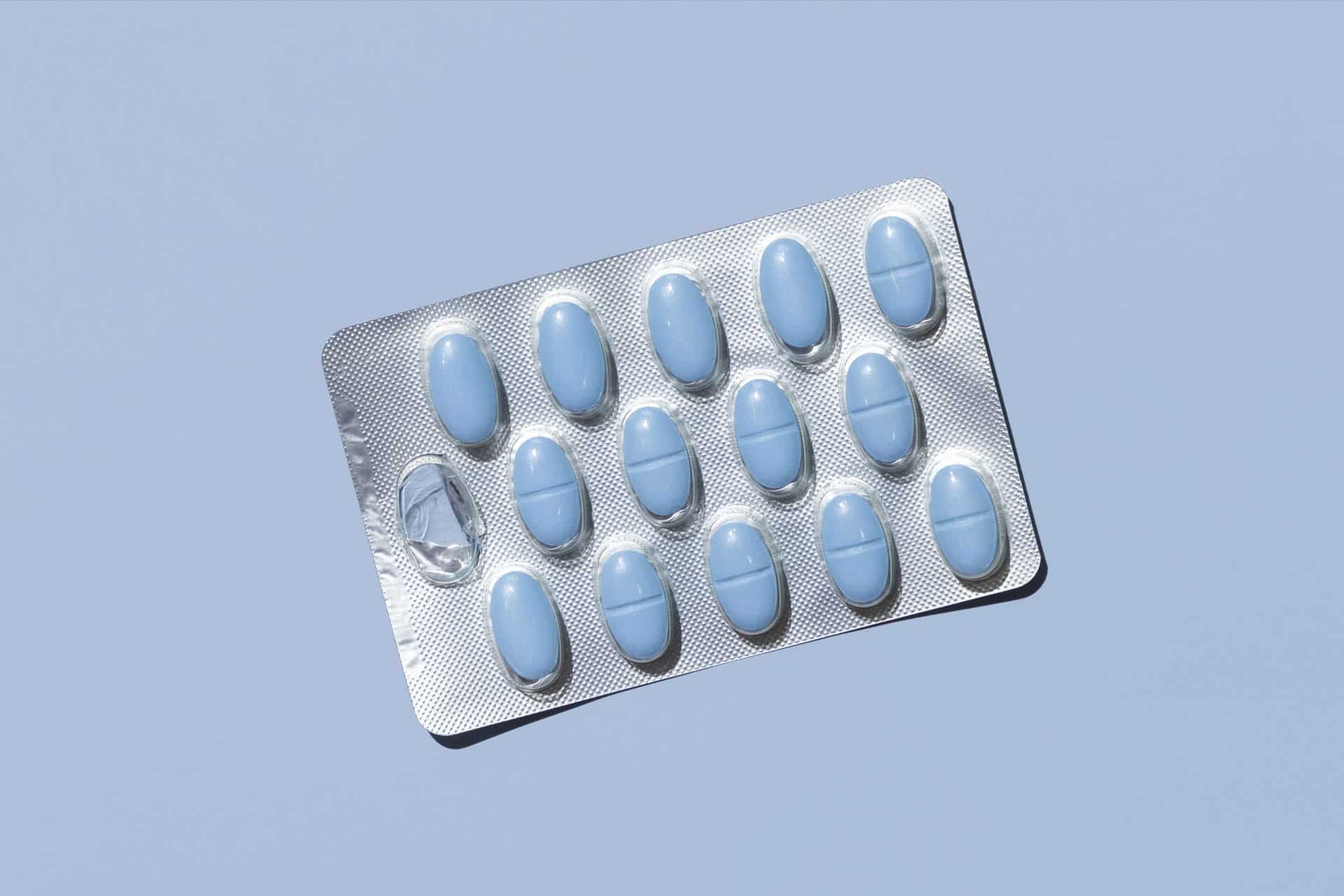
Natural Alternatives to Adderall (dextroamphetamine-amphetamine)
For people with ADHD, there may be some natural alternatives to central nervous system stimulants like Adderall and Concerta for symptom relief. A comprehensive ADHD treatment plan may also include behavioral therapy and healthy lifestyle changes. These can be effective at managing symptoms with or without medication, depending on the individual and the severity of their ADHD symptoms. These natural ADHD treatments may also be used in combination with Adderall in order to help you lower your Adderall Dosage.
So what are the possible natural Adderall alternatives for adults and children with ADHD?
Citicoline
In the brain, citicoline helps produce acetylcholine, a neurotransmitter essential for memory, focus, and attention. It may also help increase levels of norepinephrine and dopamine, two chemicals involved in alertness and motivation.
In the United States, citicoline is available as a dietary supplement and is often marketed for its neuroprotective and nootropic (brain-supporting) effects. A 2023 review found that citicoline may support memory in older adults, and a recent pilot study reported that citicoline supplementation appears to be safe. However, research is still limited, especially regarding its potential use as an alternative to Adderall.
Ginkgo Biloba
The natural supplement ginkgo biloba also shows promise as an effective alternative to Adderall. Common in alternative medicine, ginkgo biloba is derived from the ginkgo tree. Researchers have studied its effects on various physical and mental health conditions, including anxiety, premenstrual syndrome, high blood pressure, and schizophrenia, among many others. [4] Though more research is needed to confirm any benefits for people with ADHD, one study revealed preliminary evidence that the herbal supplement could reduce ADHD symptoms. [5]
Ginseng
Recent studies reveal that the herbal supplement ginseng may reduce symptoms of ADHD, particularly inattentive symptoms. [6] Other uses for the herb can be found in alternative medicine and athletics. It’s thought to be beneficial for many different conditions, including heart disease, chronic fatigue syndrome, vertigo, anxiety, dementia, and more. It’s important to point out that more research is necessary to confidently claim that ginseng can effectively treat any medical condition, including ADHD.
L-Tyrosine
L-Tyrosine is an amino acid that contributes to the production of certain neurotransmitters, including dopamine, norepinephrine, and epinephrine. [7] Because of this role, researchers believe L-Tyrosine can improve focus, one of the key areas where people with ADHD struggle. This amino acid has been used in alternative medicine to enhance cognitive function and support memory improvement. [8] More research is needed to confirm the benefits of L-Tyrosine.
Magnesium
The naturally occurring mineral magnesium has also been recommended as a natural alternative to Adderall. Magnesium is present in many foods, but some researchers believe that people with ADHD have a magnesium deficiency. One small-scale study has supported this claim, but research into the cognitive benefits of magnesium are on-going. [9]
Methionine
Methionine is an essential amino acid the body uses to produce important brain chemicals, and its active form—S-Adenosyl-L-Methionine (SAMe)—has been studied as a supplement for supporting symptoms of ADHD and depression. However, SAMe may increase anxiety or trigger manic episodes in people with bipolar disorder, so it’s important to approach it with caution.
Behavioral Therapy for ADHD
Though not a supplement, behavioral therapy is also an effective way of naturally managing symptoms of attention-deficit hyperactivity disorder. This type of therapy could include parent training, organizational skills training, social skills training, or cognitive behavioral therapy. Behavioral therapy is designed to help individuals deal with ADHD symptoms as they arise and increase overall well-being.
Lifestyle Changes to Manage ADHD
It might seem too good to be true, but tweaking some of your daily habits could also make a big difference in how ADHD symptoms affect you. Exercising regularly, for instance, promotes cognitive performance, including focus and attention. A healthy diet can provide many of the essential nutrients your brain needs to function properly. Finally, sticking to a healthy sleep routine may reduce ADHD symptoms and improve mental alertness.
Coping Strategies for ADHD
Learning to live with ADHD could involve adopting some coping strategies. These strategies can help you navigate situations where your symptoms may otherwise present a barrier. Here are some of the techniques you can try to manage ADHD symptoms:
- Clean and declutter your environment regularly to eliminate distractions and enhance focus.
- Learn task management skills or use a task management app.
- Set clear goals to manage the impulsive symptoms of ADHD.
- Utilize alarms and timers on your phone to effectively manage your time and increase productivity.
- Create a daily routine and stick to it.
- Use a calendar and/or daily planner to keep track of appointments, deadlines, and events. This can help with forgetfulness and procrastination.
- Take short exercise breaks throughout the day to reduce boredom and increase focus.
- Practice self-compassion and make sure your inner voice isn’t a critic, but an encouraging cheerleader.
- Identify triggers for your symptoms and plan ahead to manage these situations effectively.
- Use journaling as a means of emotional release and to gain a deeper understanding of your feelings.
- Create a support system to lean on, including family and friends or a support group for people with ADHD.
Takeaways
If you or your child has ADHD, prescription medications—such as Adderall—can be highly effective for reducing symptoms and improving daily functioning. Still, Adderall isn’t the right fit for everyone, and some people explore herbal, mineral, or vitamin supplements as alternatives to Adderall and other stimulants to treat their ADHD. There is currently a lack of research conducted on these “natural adderall” alternatives to know how effective they are.
Seek Mental Health Support for ADHD
ADHD can be a challenging condition to manage, but you don’t have to do it alone. There are many different types of mental health professionals trained to help you navigate the symptoms of ADHD, whether for yourself or your child. Many people benefit from individual therapy, coping strategies, and sometimes, medication. Although ADHD is a challenging diagnosis, it’s also very treatable, and many people with ADHD lead satisfying and successful lives.
Ready to get help for you or a loved one? Contact us
To ensure accuracy and quality, every contributor to the Alpas Wellness resource library undergoes a thorough evaluation of their experience, credentials, and achievements prior to publication.
Frequently Asked Questions About Natural Adderall Alternatives
Can you get Adderall over the counter?

No. Adderall is a controlled substance available by prescription only.
Can I increase my focus without Adderall?
Yes. Taking Adderall isn’t the only way to improve focus. Other medications and supplements may have similar effects. Additionally, you can also try making specific lifestyle changes and practicing relaxation techniques to enhance your focus. Examples include regular exercise, a balanced diet, good sleep hygiene, and mindfulness practices like meditation.
Is ADHD medication just legal meth?
No. ADHD medications may be stimulant or non-stimulant drugs. Stimulants used to treat attention deficit hyperactivity disorder include amphetamine-based medications, which are chemically similar to methamphetamine but differ in potency, structure, and therapeutic use. Moreover, stimulant medication for ADHD is to be taken only with a doctor’s prescription. Taking it without a prescription or using someone else’s prescription is illegal and punishable by law.
What is the best natural supplement for ADHD?
More research is necessary to recommend any one supplement as the best one to treat symptoms of attention deficit hyperactivity disorder. You may want to consult with your healthcare provider and seek their recommendation and counsel before trying a natural supplement for ADHD management.

[1] National Institutes of Health. (n.d.-a). DailyMed – Adderall- dextroamphetamine saccharate, amphetamine aspartate, dextroamphetamine sulfate, and amphetamine sulfate tablet. U.S. National Library of Medicine. https://dailymed.nlm.nih.gov/dailymed/drugInfo.cfm?setid=f22635fe-821d-4cde-aa12-419f8b53db81
[2] Drug scheduling. DEA. (n.d.-a). https://www.dea.gov/drug-information/drug-scheduling
[3] U.S. National Library of Medicine. (n.d.-b). Dextroamphetamine and amphetamine: Medlineplus Drug Information. MedlinePlus. https://medlineplus.gov/druginfo/meds/a601234.html#other-uses
[4] Ginkgo biloba uses, side effects & warnings. Drugs.com. (n.d.-e). https://www.drugs.com/mtm/ginkgo-biloba.html
[5] Ginkgo biloba extract EGB 761® in children with ADHD: Preliminary findings of an open multilevel dose-finding study: Zeitschrift für kinder- und Jugendpsychiatrie und Psychotherapie: Vol 42, no 5. (n.d.-e). https://econtent.hogrefe.com/doi/full/10.1024/1422-4917/a000309
[6] Author links open overlay panelYunna Kim a b c, a, b, c, & AbstractAttention deficit hyperactivity disorder (ADHD) is a rapidly increasing neurodevelopmental disorder but currently available treatments are associated with abuse risk. (2024, May 28). Effect of ginseng and ginsenosides on attention deficit hyperactivity disorder: A systematic review. Journal of Ginseng Research. https://www.sciencedirect.com/science/article/pii/S1226845324000903
[7] Tyrosine. University of Rochester Medical Center. (n.d.-a). https://www.urmc.rochester.edu/encyclopedia/content?contenttypeid=19&contentid=Tyrosine
[8] L-tyrosine uses, Side Effects & Warnings. Drugs.com. (n.d.-j). https://www.drugs.com/mtm/l-tyrosine.html
[9] Author links open overlay panelFarida El Baza, & AbstractBackgroundAttention deficit hyperactivity disorder (ADHD) is a common neurodevelopmental disorder with associated mineral deficiency.AimTo assess magnesium level in ADHD children and compare it to the normal levels in children. Then. (2015, July 7). Magnesium supplementation in children with attention deficit hyperactivity disorder. Egyptian Journal of Medical Human Genetics. https://www.sciencedirect.com/science/article/pii/S1110863015000555